The History of Magic and Witchcraft:
From Ancient Rituals to Modern Practice
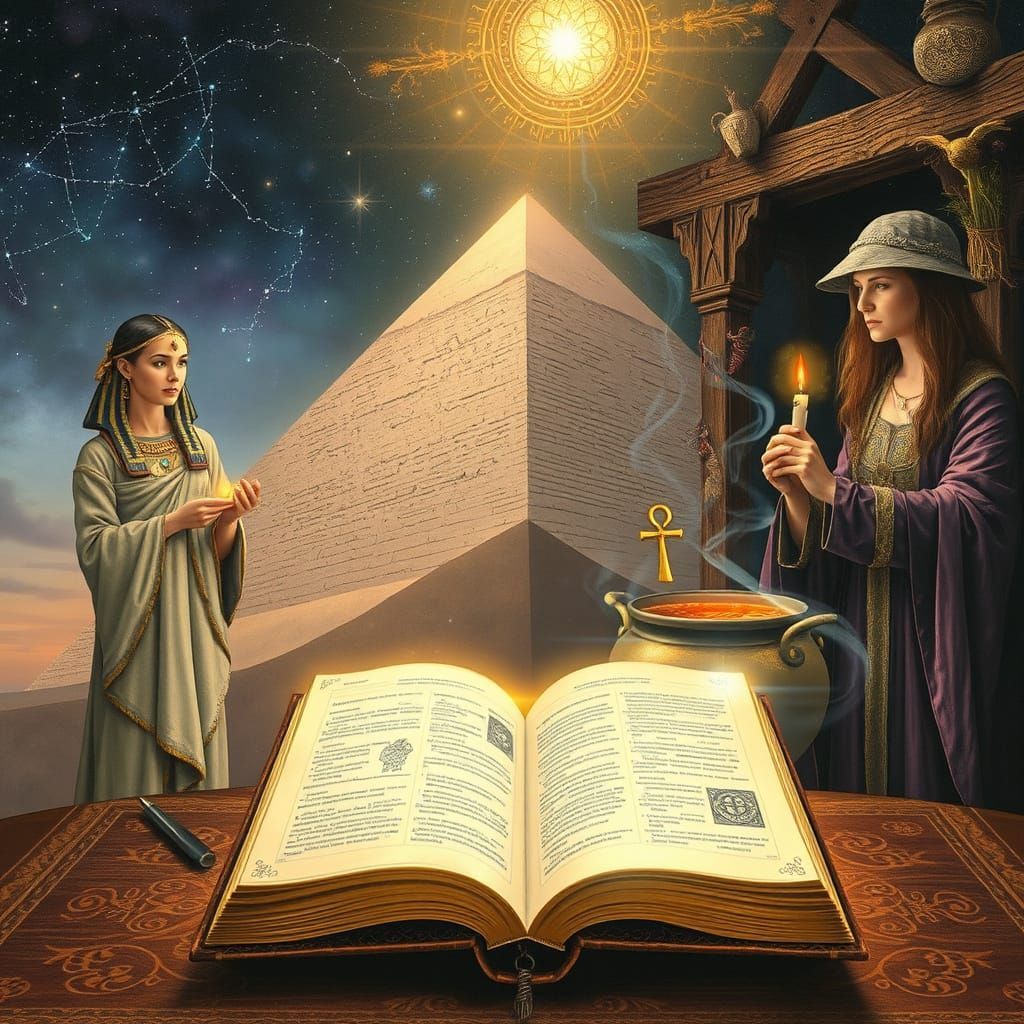
Summary & Historical Key Takeaways
- Ancient Beginnings: Magic originated not as a taboo, but as a respected, practical interplay between spirituality, natural medicine, and governance across Mesopotamia, Egypt, and Rome.
- The Paradigm Shift: The Middle Ages transformed folk practices and traditional herbalism into feared subversion, leading to centuries of widespread persecution.
- The Esoteric Revival: The 19th and 20th centuries saw a resurgence of occult scholarship, ceremonial magic, and the establishment of modern Wicca.
- Modern Witchcraft Today: Contemporary practice centres on personal empowerment, nature reverence, mindfulness, and intuitive self-care.
The Mystical Roots: Ancient Origins
Long before the word "witch" existed, people across cultures practised forms of magic—calling upon spirits, harnessing the power of the earth, and seeking guidance from unseen forces.
Ancient Origins: Magic as Divine Science
Long before the modern term "witchcraft" emerged, ancient societies viewed magic (Heka in Egypt, Magia in Greece) as an integral part of understanding physical and unseen reality.
Mesopotamia and Ancient Egypt
- Mesopotamia: Priests and priestesses conducted elaborate incantations to harmonise human life with divine order (Me) and ward off chaotic spirits.
- Ancient Egypt: Magic was personified by the deity Heka. Texts like the Book of the Dead provided precise formulas, protective amulets, and vocal spells to guide human souls through the afterlife. Magic was a tool accessible to both pharaohs and everyday citizens for protection, childbearing, and health.
Shamanic & Earth-Based Traditions
Across global indigenous cultures, shamans and tribal elders served as bridges between the physical realm and spirit worlds. Utilising trance states, animal spirit guides, and deep herbal knowledge, these traditions laid the foundation for modern
Green Witchcraft and
Animism.
Classical Greece and Rome
- Oracles & Divination: The Greeks consulted sacred sites like the Oracle of Delphi for political and personal guidance.
- Mystical Philosophy: Thinkers like Pythagoras integrated sacred geometry, mathematics, and spiritual philosophy, viewing the universe as a harmonious, energetic system.
- Practical Roman Rituals: Everyday Roman magic included love spells (defixiones), offerings to household deities (Lares), and protective talismans against the evil eye.
From Sacred Tradition to Persecution
As societal structures centralised and major institutional religions expanded across Europe, the relationship between mainstream culture and magic shifted drastically.
The Middle Ages & The Witch Trials: Traditional village healers, midwives, and cunning folk who used herbs and charm magic were gradually re-categorised. Between the 15th and 17th centuries, fear, political instability, and treatises like the Malleus Maleficarum fueled widespread witch trials across Europe and North America (such as Salem).
The Occult Renaissance: By the late 19th century, public fascination returned through the Occult Revival. Secret societies, spiritualist séances, and esoteric scholars brought ancient traditions back into academic and popular discourse.
As societal structures centralised and major institutional religions expanded across Europe, the relationship between mainstream culture and magic shifted drastically.
The Rebirth of Modern Witchcraft
In the 1950s, Gerald Gardner introduced Wicca to the public, drawing on folkloric research, ritual magic, and nature worship. This marked the beginning of modern paganism's official acceptance.
Today, modern witchcraft is no longer defined by dark stereotypes. Instead, it represents:
- Intention & Mindfulness: Using candle rituals, meditation, and daily intention-setting to manifest goals.
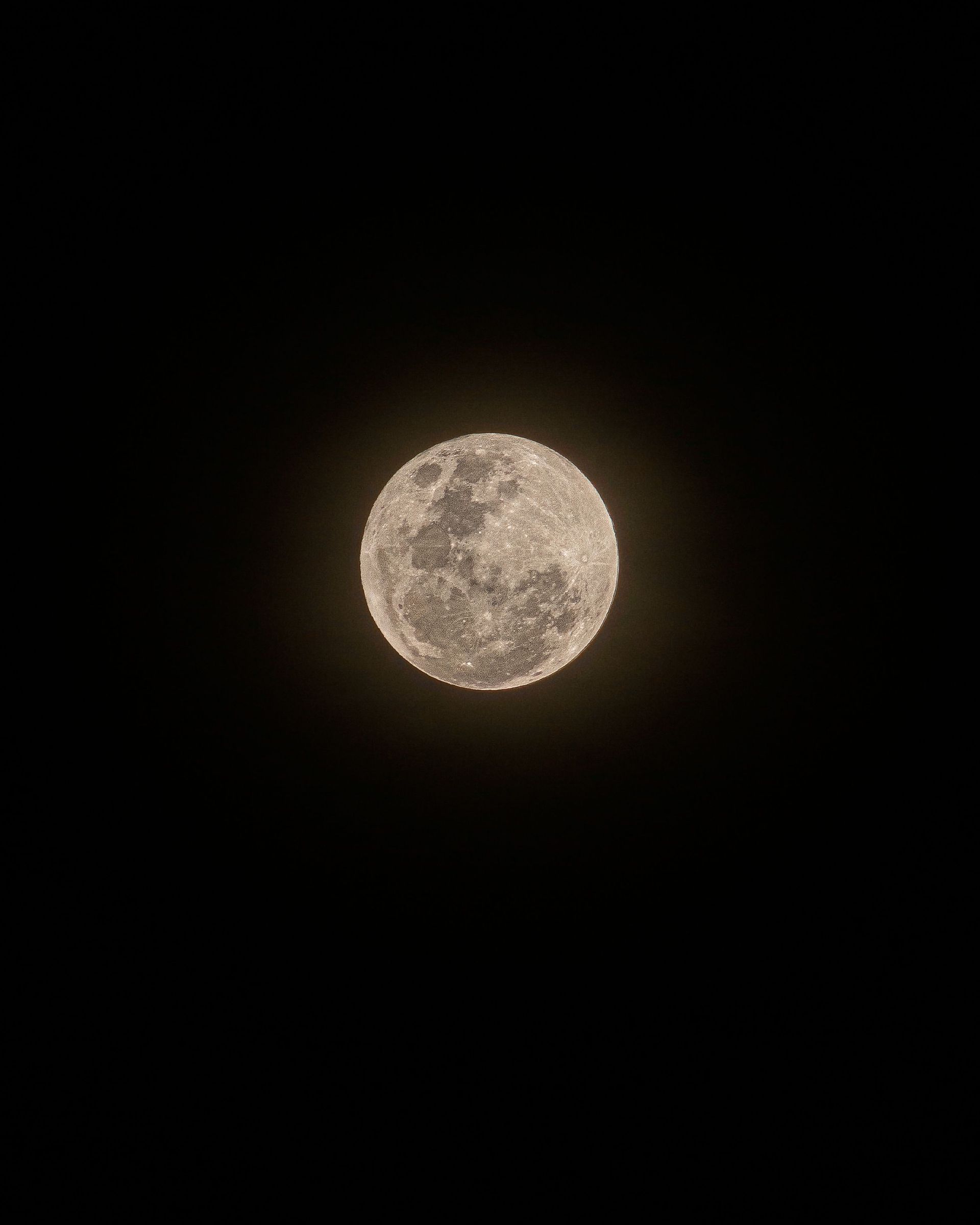
- Reverence for Nature: Aligning personal routines with lunar cycles and seasonal shifts (the Wheel of the Year).
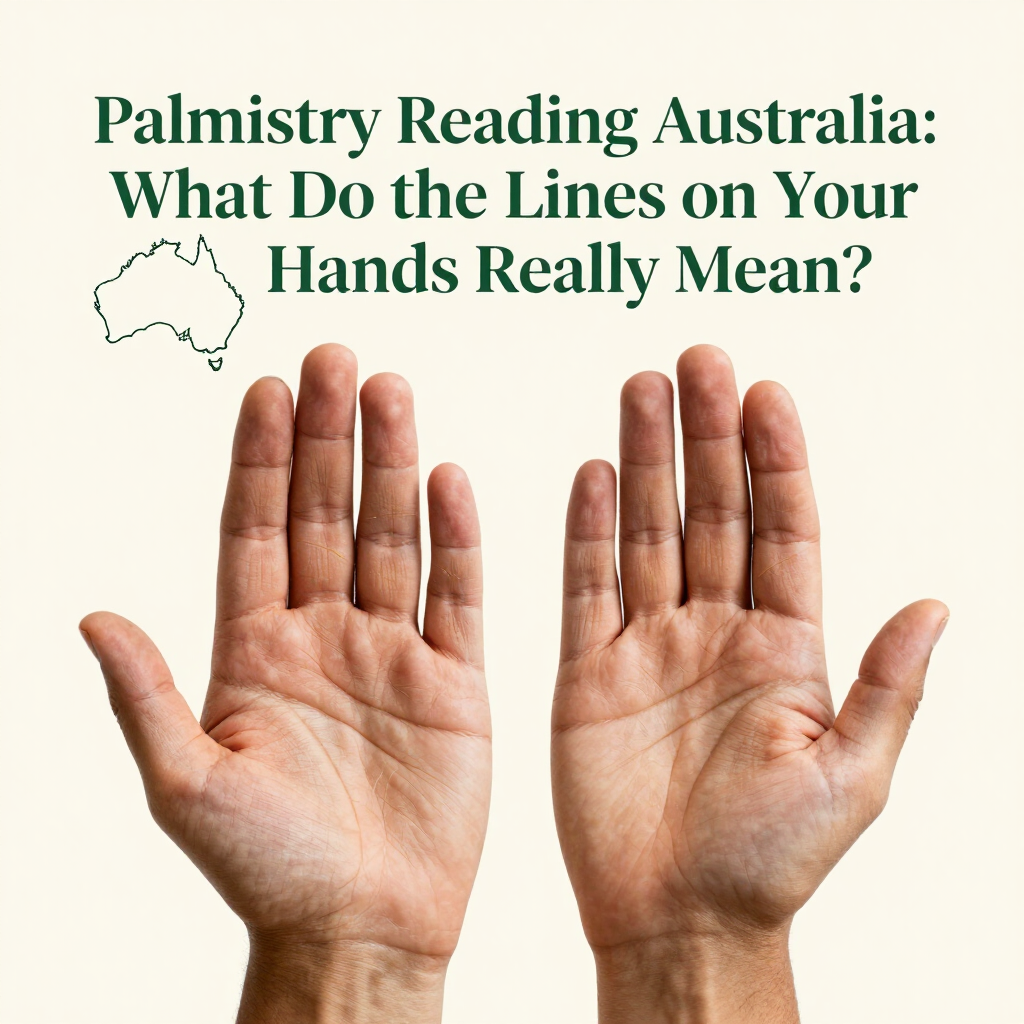
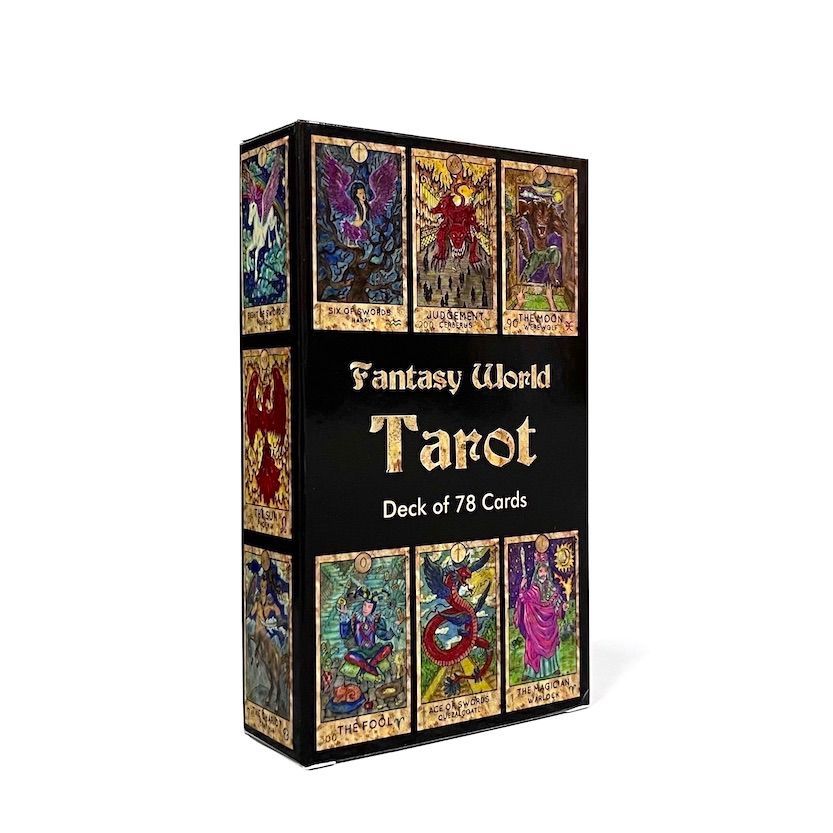
- Self-Empowerment & Intuition: Utilising tools like Tarot, Palmistry, and Numerology to cultivate self-awareness and spiritual clarity.
Frequently Asked Questions
What is the difference between magic and witchcraft?
Magic is the overarching practice of directing energy and intention to affect change in the physical or spiritual world. Witchcraft is a specific, earth-based application of magic that often incorporates natural elements, folk traditions, and personal intuition.
Is modern witchcraft considered a religion?
Not inherently. While traditions like Wicca are formally recognised spiritual paths, many contemporary practitioners view witchcraft as a personal skill, holistic lifestyle, or intuitive practice independent of religious dogma.
How can a beginner safely start exploring modern witchcraft?
Beginners can start by learning basic grounding techniques, studying elemental energy, tracking moon phases, and exploring divination tools like Tarot or Numerology.
Embrace Your Intuitive Journey
Magic has survived millennia of cultural shifts because it speaks to a fundamental human desire: connecting deeply with the mysteries of the universe and our inner power.
- Book a Personal Reading: Connect with your path through custom Numerology, Palmistry, Tarot, and Clairvoyant sessions via Sarah Kulkens' Private Readings.
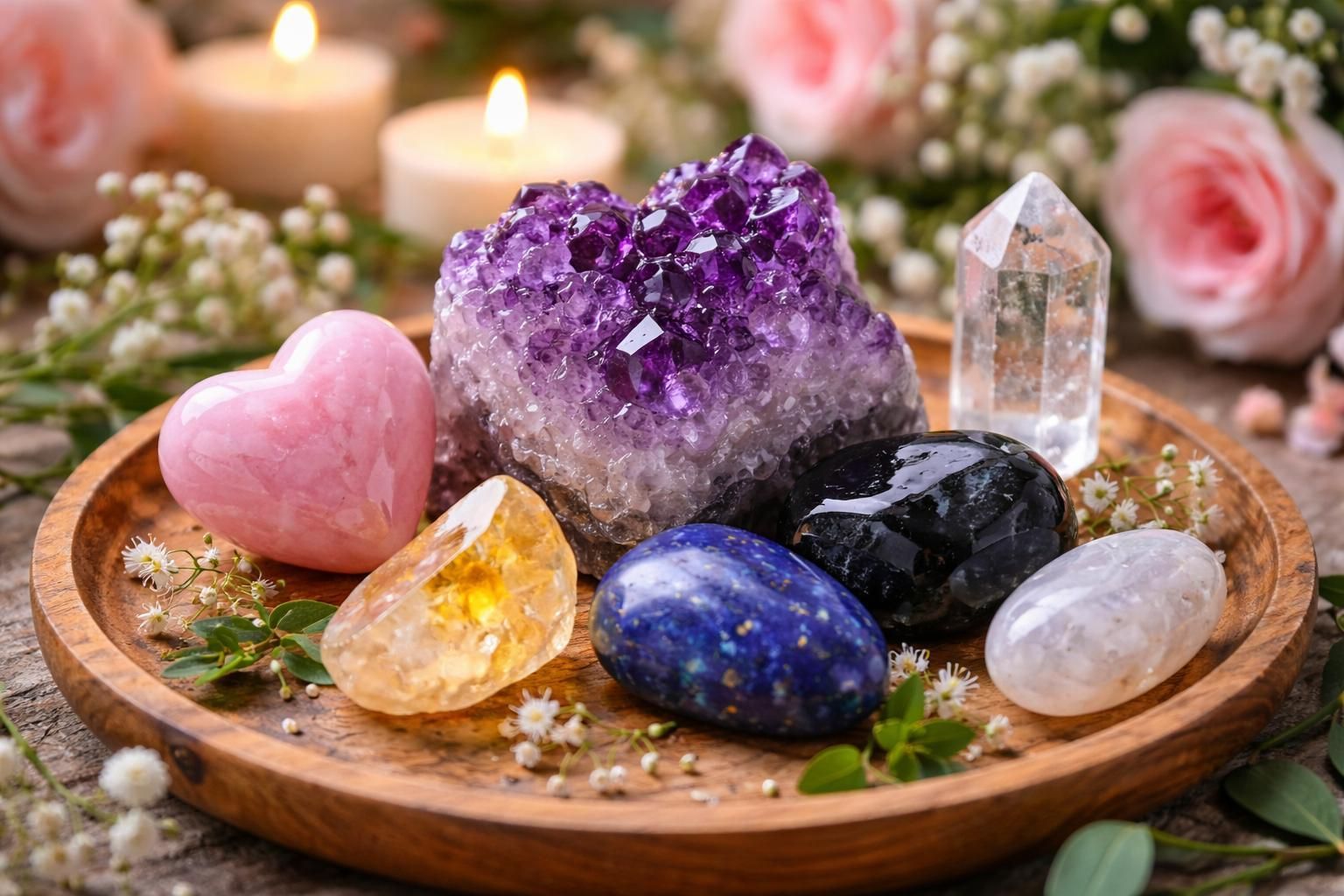
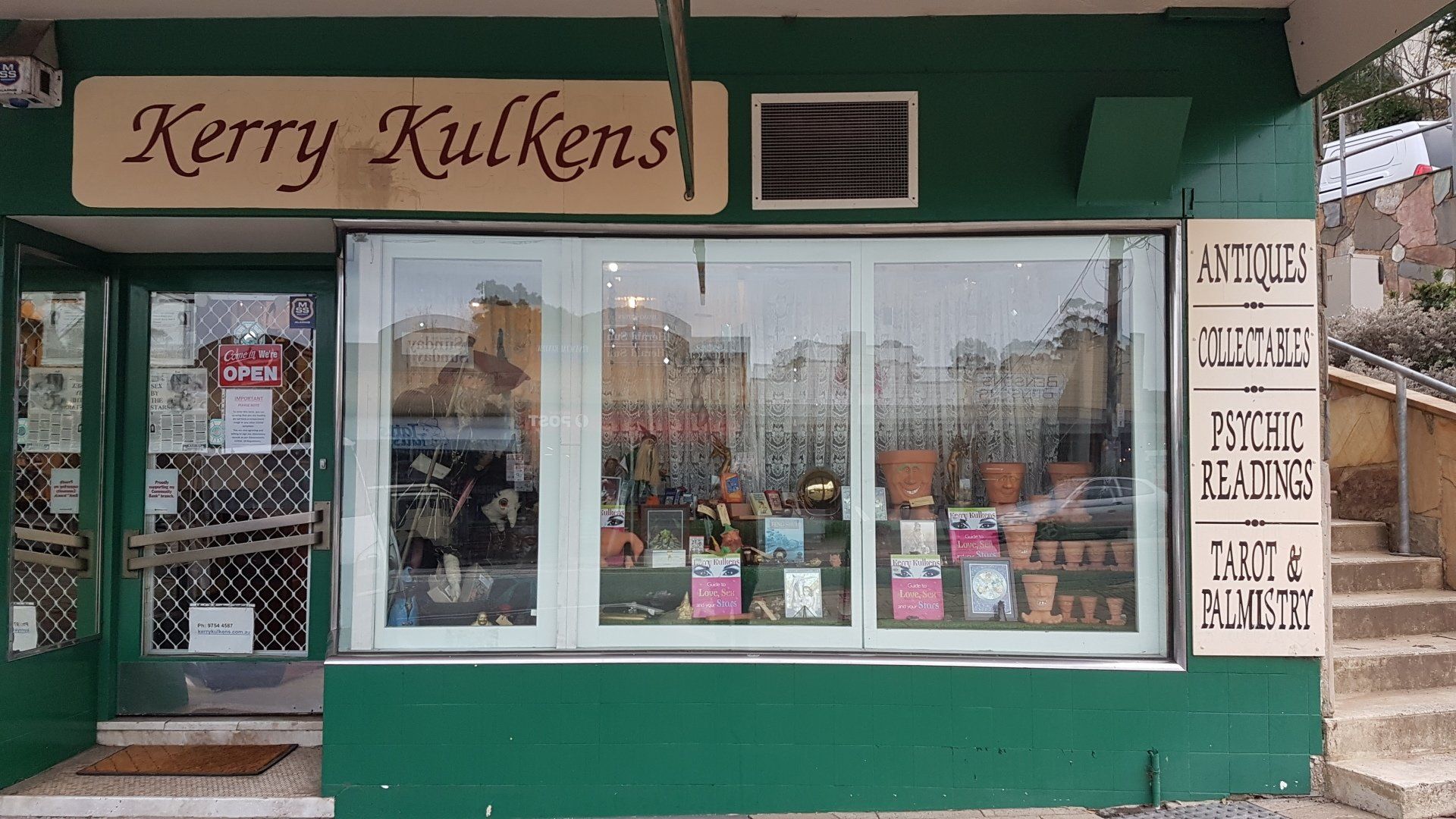
- Explore Authentic Spiritual Supplies: Visit Kerry Kulkens Magic Shop™ in Belgrave, Victoria, for hand-selected spell candles, ritual herbs, crystals, and esoteric books, or call 03 9754 4587.
Final Thoughts
Magic and witchcraft have survived centuries of change, always adapting, always evolving. What was once feared is now embraced by many seeking connection, healing, and power.
So, darling, whether you light a candle with intention, read Tarot, or simply honour the energy around you—you are tapping into a history that stretches back thousands of years.
Magic is in all of us. And destiny? You cannot change it.
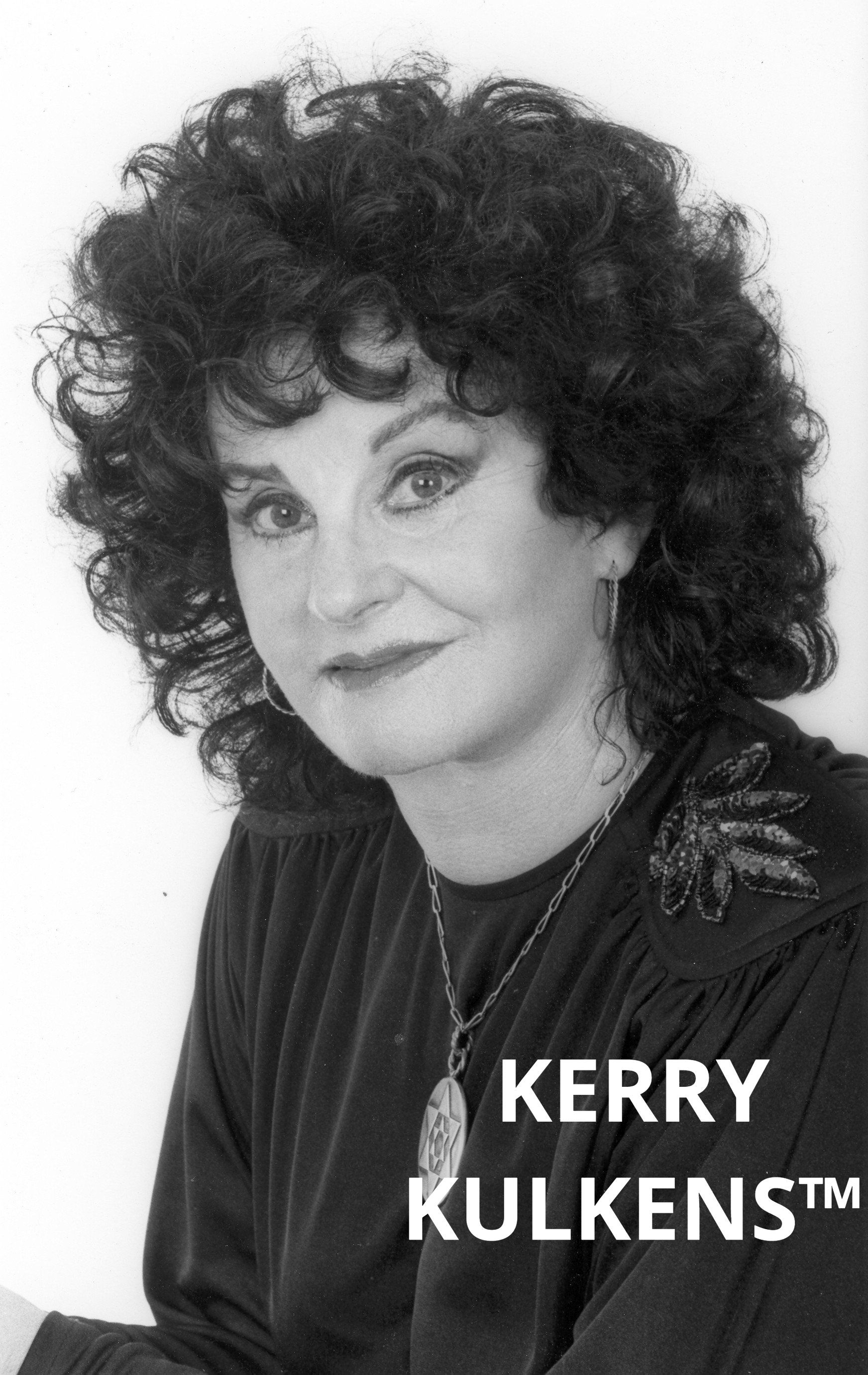
Kerry Kulkens™